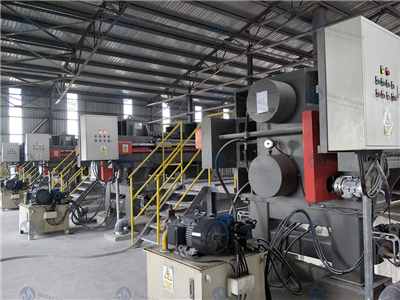


A kaolin drying production line can be used for high-viscosity kaolin, but the system needs the right design and adjustment. High-viscosity kaolin is harder to handle than normal kaolin. It is stickier, holds more moisture, and is harder to dry evenly.
This is important for buyers and plant operators. It affects feeding, drying efficiency, energy use, product quality, and equipment stability.
At Meibao, we provide complete kaolin drying production line solutions. We can adjust the system based on the material condition, moisture content, and production target.
What Is High-Viscosity Kaolin?
High-viscosity kaolin has a thick and sticky texture. It does not flow as easily as low-viscosity kaolin. It also holds more water.
Because of this, high-viscosity kaolin can cause several problems during drying:
difficult feeding
uneven material distribution
sticking inside the dryer
slow heat transfer
longer drying time
These problems can reduce production efficiency and make the drying result less stable.
How a Kaolin Drying Production Line Works
A kaolin drying production line uses heat to remove moisture from the material. The line usually includes:
feeding system
drying system
heat source
dust collection system
control system
The feeder sends the kaolin into the dryer at a steady rate. The dryer removes moisture with hot air or heated gas. The heat source provides the energy for drying. The dust collection system keeps the exhaust air clean. The control system helps operators adjust the process.
Different dryers can be used based on the material and production needs. These may include rotary dryers, fluidized bed dryers, or other suitable drying equipment.
Common Problems When Drying High-Viscosity Kaolin
High-viscosity kaolin is harder to dry than standard kaolin. The main problems are usually feeding, sticking, and heat transfer.
1. Difficult feeding
Sticky kaolin may not move smoothly into the dryer. It can form lumps or thick masses. This may reduce feeding stability and affect the whole process.
2. Uneven drying
If the material does not spread evenly inside the dryer, some parts may become too dry and other parts may still hold too much moisture. This affects final product quality.
3. Material sticking
High-viscosity kaolin can stick to the inner wall of the dryer, the feeder, or the conveying system. This may lead to blockages, cleaning problems, and lower efficiency.
4. Slow heat transfer
High-viscosity kaolin usually transfers heat more slowly. Because of this, moisture removal takes more time, and the system may need more energy.
How to Adapt the Production Line for High-Viscosity Kaolin
A kaolin drying production line can be adjusted to handle high-viscosity material better. The key point is to improve feeding, heat transfer, and anti-sticking performance.
Improved feeding system
Special feeders can help break up sticky material and move it into the dryer more evenly. For example, screw feeders with stronger driving force can be used for thick kaolin.
Better dryer design
The dryer can be designed to improve contact between the kaolin and hot air. This helps make drying more even. The inner structure can also be adjusted to reduce material buildup.
Anti-sticking measures
Anti-sticking design is important for high-viscosity kaolin. This may include smoother inner surfaces, special coatings, or structure changes that reduce sticking.
Stronger heat control
The heat source and airflow can be adjusted to provide enough drying energy. At the same time, the temperature should stay in a suitable range so that product quality is not affected.
Automatic control system
A PLC control system can monitor temperature, airflow, feeding speed, and other key data in real time. This helps operators keep the process more stable.


Why Customized Design Is Important
Not all kaolin materials are the same. Some have higher moisture. Some are stickier. Some need different final moisture levels. Because of this, a standard drying system may not always be the best choice.
A customized kaolin drying production line can be designed based on:
raw material condition
initial moisture content
final moisture target
production capacity
plant layout
local energy conditions
This helps improve drying performance and reduce operating problems.
Advantages of Using Our Kaolin Drying Production Line
Our kaolin drying production line has several advantages for handling high-viscosity kaolin.
1. Customized solution
We can adjust the design based on different kaolin materials and production needs.
2. Better process control
Our system can include automatic control for more stable temperature, airflow, and feeding.
3. Higher drying efficiency
With the right design, the line can improve drying performance and reduce uneven moisture.
4. Lower operating risk
A better feeding system and anti-sticking design can reduce blockages and unexpected shutdowns.
5. Energy-saving design
We can use suitable heat utilization methods to help lower energy consumption and operating cost.
What Buyers Should Ask Before Choosing a Kaolin Drying Production Line
Before buying a kaolin drying production line for high-viscosity material, buyers should check these points:
Can the line handle sticky material?
The supplier should explain how the system deals with sticking, lumping, and unstable feeding.
Can the dryer design be customized?
This is important because different kaolin materials need different drying conditions.
How is product moisture controlled?
A good system should help keep final moisture more stable.
Is the control system automatic?
Automatic control can improve stability and reduce manual adjustment.
Is the system easy to clean and maintain?
High-viscosity material may increase cleaning and maintenance needs, so easy access is important.
Meibao Kaolin Drying Production Line Solution
At Meibao, we provide complete kaolin drying production line solutions for different material conditions and production requirements. For high-viscosity kaolin, we can provide:
customized feeding systems
suitable dryer design
anti-sticking structure solutions
automatic PLC control systems
dust collection systems
installation guidance and technical support
Our goal is to help customers build a drying system that is stable, efficient, and suitable for long-term production.
FAQ
Can high-viscosity kaolin be dried in a kaolin drying production line?
Yes. High-viscosity kaolin can be dried, but the production line should be designed or adjusted for sticky material and slow heat transfer.
What is the main problem when drying high-viscosity kaolin?
The main problems are difficult feeding, material sticking, uneven drying, and longer drying time.
Does high-viscosity kaolin need a customized drying system?
In many cases, yes. A customized system can improve drying efficiency, reduce blockages, and keep product quality more stable.
What should buyers check before choosing a kaolin drying line?
Buyers should check feeding performance, dryer design, moisture control, automation level, and maintenance convenience.